
10 Essential Stops When Walking to the Roman Temple Evora
Walking through the historic streets of Evora is one of the best ways to experience Portuguese history today. The city is a wonderful maze of white buildings that sit inside ancient walls from many centuries ago. The Roman Temple of Evora stands as the most famous landmark for travelers visiting this beautiful local region.
You will find many interesting things to see while you explore the narrow streets on foot during your visit. Taking easy walks in Evora helps you see the true beauty of this unique UNESCO World Heritage city. This guide explains how to reach the temple while seeing the most important stops along your quiet journey.
Understand the Icon: The Roman Temple Evora
For practical details and last-minute changes, use Visit Portugal - Évora.
For practical details and last-minute changes, use Universidade de Évora.
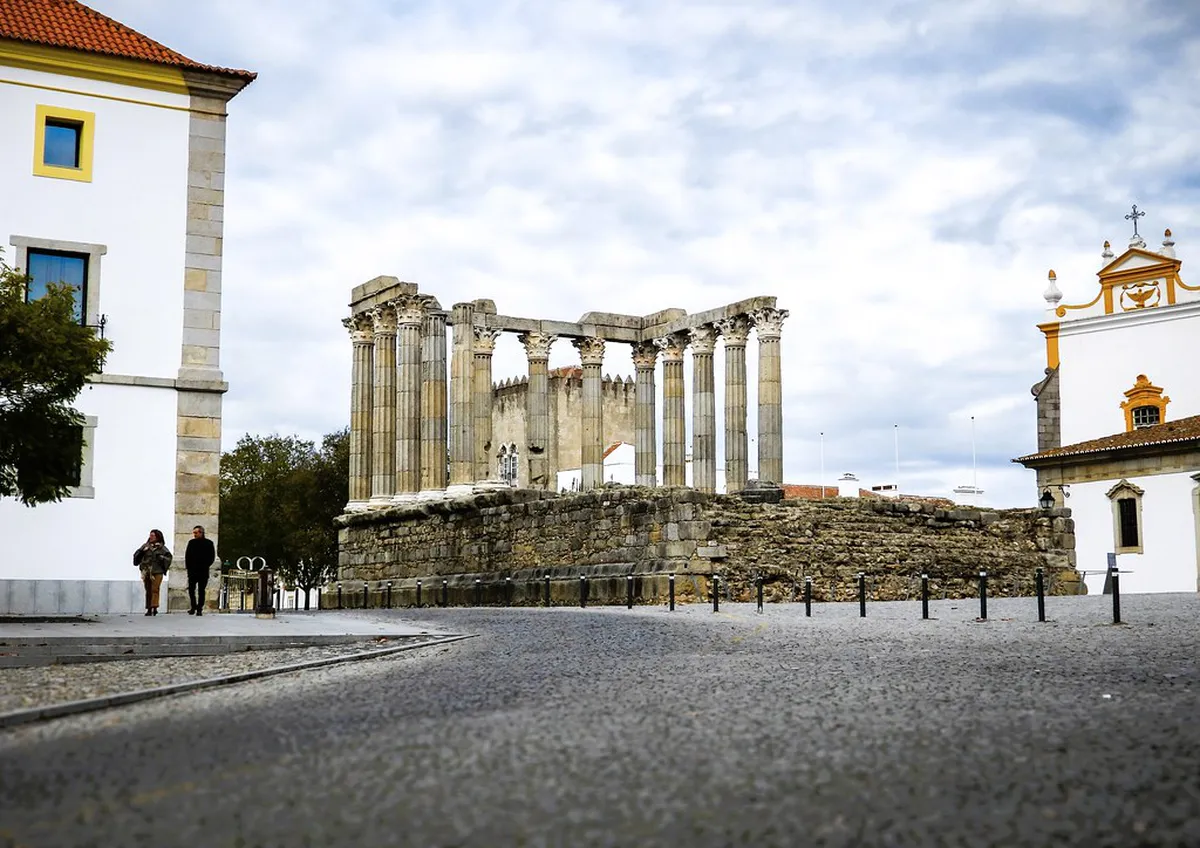
The Roman Temple of Evora is a very well-preserved ruins from the ancient times of the Roman Empire. It is often called the Temple of Diana by many locals and tourists who visit the city center. This structure dates back to the first century and is a heavy symbol of the city's long past.The monument stands on the highest point of the town where the ancient forum used to be located. Walking to this site is a powerful experience that connects you with thousands of years of human activity. You should consult our main Evora travel guide to learn more about the deep history of this area.
The columns are made of granite and marble which have survived through many different wars and major earthquakes. It is one of the most important Roman landmarks in the entire country of Portugal for visitors to see. Seeing the temple up close allows you to appreciate the fine details of the stone work and design.
The area around the temple is peaceful and offers a great place to sit and enjoy the local view. Many people visit during the late afternoon to see the stones glow in the soft light of the sun. Properly appreciating this site requires a slow pace as you walk through the heart of the historic district.
10 Best Stops When Walking to the Roman Temple Evora
There are many wonderful landmarks to see as you begin walking toward the ancient Roman Temple of Evora. Each stop on this list provides a unique look at the cultural growth of this city over the years. You can follow a walk to Bone Chapel before heading north to see the famous Roman ruins today.
The route is quite simple to manage because most major sights are located very close to each other. You will walk over traditional stone paths that are common throughout the historic centers of most Portuguese towns. Keep your camera ready as every corner seems to reveal a new piece of history or a beautiful sight.
Most visitors start their journey in the main square and then move slowly uphill toward the old Cathedral. This direction ensures that you see the most impressive architecture before you finally reach the main Roman monument. Learning about these locations will make your overall walking experience much more rewarding and interesting for your group.
The following list highlights the top locations you should visit during your short walk through the city streets. Each spot offers a different perspective on the religious and social history that shaped this famous Alentejo capital. Take your time at each location to truly feel the ancient atmosphere of this beautiful and historic place.
- The Historic Giraldo Square in Center
- Type: Iconic city sight
- Why go: See the local life
- Best for: People watching enthusiasts
- Where: Central town square
- Time: Twenty minutes needed
- Cost: This is free
- Getting there: Start your walk
- Tip: Grab a coffee here
- The Magnificent Cathedral of Evora Religious Site
- Type: Historic religious museum
- Why go: Explore Gothic architecture
- Best for: Art and history
- Where: Near the temple
- Time: One full hour
- Cost: Small entry fee
- Getting there: Short uphill walk
- Tip: Visit the rooftop view
- The Ancient Roman Temple of Evora
- Type: Ancient Roman sight
- Why go: Iconic historic ruin
- Best for: Photography and history
- Where: City high point
- Time: Thirty minutes total
- Cost: Viewing is free
- Getting there: Follow main path
- Tip: See it at sunset
- The Peaceful Diana Garden Viewpoint
- Type: Scenic nature viewpoint
- Why go: Relax near ruins
- Best for: Quiet breaks
- Where: Adjacent to temple
- Time: Fifteen minutes total
- Cost: Access is free
- Getting there: Walk past temple
- Tip: Bring some water
- The Palace of the Dukes of Cadaval
- Type: Interior museum experience
- Why go: See noble history
- Best for: Culture lovers
- Where: Facing the temple
- Time: Forty five minutes
- Cost: Entry fee required
- Getting there: Steps from temple
- Tip: See the chapel
- The Famous Chapel of Bones Experience
- Type: Unique local experience
- Why go: Truly unique site
- Best for: Curious travelers
- Where: St Francis Church
- Time: Forty minutes needed
- Cost: Modest entry price
- Getting there: South center walk
- Tip: Read the sign
- The Silver Water Aqueduct Walking Path
- Type: Iconic stone sight
- Why go: See engineering marvels
- Best for: Architecture fans
- Where: Northern city edge
- Time: One hour walk
- Cost: Walking is free
- Getting there: Follow city walls
- Tip: Walk the trail
- Shopping on Rua Cinco de Outubro
- Type: Local market street
- Why go: Buy cork crafts
- Best for: Souvenir shoppers
- Where: Main walking street
- Time: Half an hour
- Cost: Free to browse
- Getting there: Connects major squares
- Tip: Look for tiles
- The Historic City Walls Circuit Hike
- Type: Iconic defensive sight
- Why go: View city perimeter
- Best for: Active walkers
- Where: Surrounding the city
- Time: Two hours total
- Cost: Paths are free
- Getting there: Access various points
- Tip: Start at sunrise
- The University of Evora Main Courtyard
- Type: Historic indoor site
- Why go: See beautiful cloisters
- Best for: School history
- Where: East city center
- Time: Thirty minutes needed
- Cost: Free for courtyards
- Getting there: Walk from Cathedral
- Tip: Check the tiles
How to Best Plan Your Walking Route
Planning your walk is truly the most important part of your visit to this sunny Portuguese city today. You should try to start your journey during the cooler morning hours to avoid the intense midday sun. Following an aqueduct trail guide can help you see more of the surrounding landscape while walking.
Check the local weather forecast before you leave your hotel to ensure you are ready for the conditions. Spring and autumn provide the most pleasant temperatures for long walks through the streets and parks of Evora. During the summer, the temperatures in the Alentejo region can often reach very high and uncomfortable levels.
Using a map is helpful but getting lost in the narrow alleys is also part of the local charm. Many visitors prefer to use a historic center walking loop to see every major site in one day. There are many helpful signs throughout the city that point the way toward the Cathedral and the Temple.
The tourism office near the main square can provide you with a free paper map for your short trek. They also offer advice on the best paths to take if you want to avoid too many hills. The walk to the temple is mostly uphill but the incline is very gentle for most healthy travelers.
Essential Logistics for Your Historic Walk
🎯 Insider Tip: Discover the best Lisbon experiences with Viator Tours!
You must wear very comfortable walking shoes when exploring the stone streets of the old historic city center. The cobblestones can be quite slippery when they are wet or worn down by many years of heavy use. Finding free walks and fees info will help you budget your day while visiting these outdoor sites.
Carrying a bottle of water is essential because you will be walking outside for several hours in the sun. There are several public fountains where you can refill your bottle with fresh and clean water during your walk. Many small cafes also sell bottled water if you find yourself needing a cold drink along the way.
Most historic sites have entry fees but the Roman Temple itself is an open monument that costs nothing. Keep some small coins with you for access to public toilets or if you want to enter churches. Respecting the local rules regarding noise and photography is very important while you are near these sacred spots.
The city is generally very safe for walkers but you should always stay aware of your surroundings today. Most of the historic center is closed to heavy traffic which makes walking much safer and more relaxing. Always follow the local signs and stay on the sidewalk whenever it is available for your own safety.
Frequently Asked Questions
Is there a cost to see the Roman Temple Evora?
Viewing the Roman Temple is completely free for everyone. It is an open-air monument located in a public square. You can see it at any time without a ticket.
What is the best time for walking to the temple?
Early morning or late afternoon are the best times for this walk. You will avoid the hot sun during these hours. The light is also better for your photos.
Is the walking route difficult for most people?
The walk is mostly on flat or gently sloped ground. Most people find it very manageable and easy to complete. Just wear comfortable shoes for the stone streets.
Walking to the Roman Temple of Evora is a journey through the heart of Portuguese history and local culture. Knowing the best months for walking helps you plan a trip that is comfortable and very fun. The temple is a must-see landmark that will leave you with a deep respect for the ancient world.