
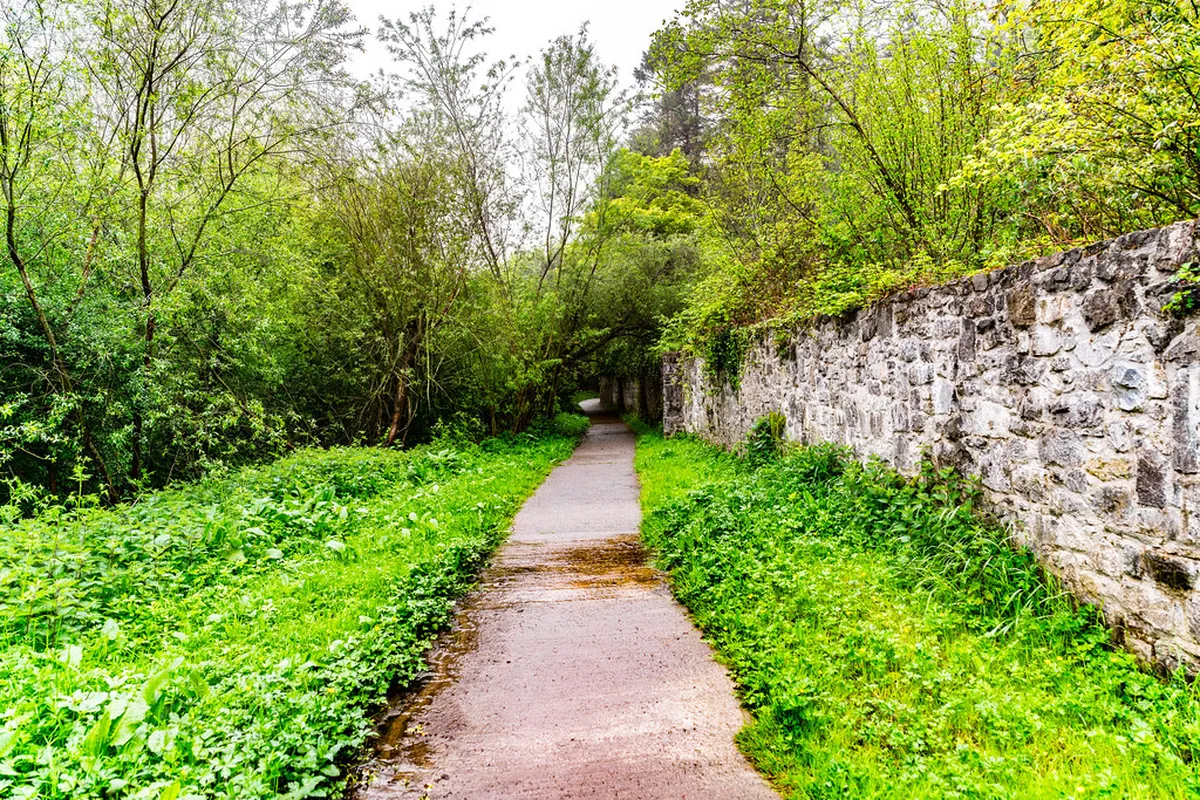
The Best Accessible Paths for Easy Evora Walks Today
Quick Answer: Follow the upper town routes near the Roman Temple for the flattest terrain. The self-guided historic center walking loop is the most accessible choice for visitors. Alternatively, use the Public Garden for completely level and shaded pathways.
Finding accessible paths for easy Evora walks allows you to enjoy the city without heavy physical strain. This ancient Portuguese city is famous for its Roman ruins and medieval stone architecture. Many streets are paved with traditional cobblestones which can be difficult for some travelers to navigate. Our guide focuses on the smoothest routes available to ensure a comfortable and memorable visit.
You can find many easy walks in Evora that bypass the steepest hills and most rugged terrain. The city layout provides several natural plateaus where walking remains relatively level and simple. Planning your journey ahead of time protects you from getting stuck on narrow or steep alleyways. Let us explore how to maximize your enjoyment while walking through this beautiful UNESCO World Heritage site.
Planning Your Route Through Historic Evora
To plan your trip, review Universidade de Évora.
For current hours, prices, and announcements, start with Câmara Municipal de Évora.
The heart of Evora is essentially a hilltop fortress surrounded by ancient defensive walls. Most of the major historical sites sit on a central plateau near the highest point. This means that once you reach the summit, the walking becomes much easier and flatter. We recommend starting your day at the peak to avoid walking uphill in the heat.Giraldo Square serves as the primary hub for the entire historic center of the city. From this point, wide streets branch out toward the major cathedrals and ancient Roman monuments. The pavement around the square consists of polished stones that are relatively smooth for pedestrians. You will find many cafes here to rest before you begin your walking journey.
Ancient walls surround the center making it easy to find your way around the city. You should carry a map to avoid getting lost in the narrow winding side streets. Many of these smaller paths contain stairs or very uneven surfaces that challenge mobility. Staying on the main thoroughfares ensures you remain on the most accessible paths available.
How to Navigate Accessible Paths for Easy Evora Walks
Mastering accessible paths for easy Evora walks requires a bit of local geographical knowledge. The main route connects the central square to the highest ruins in the upper town. Following the self-guided historic center walking loop ensures you see the best landmarks. This specific path focuses on streets with the least amount of incline and better paving.
You should always look for the wider boulevards when transitioning between different city districts. These streets were designed for carriage traffic and offer more space for modern pedestrians. They are much easier to navigate than the tiny backstreets found in the Moorish quarter. Staying on these main lines will significantly reduce the physical effort required for your tour.
Morning is the best time to start your walk before the sun gets too strong. The white buildings reflect heat and can make afternoon walking quite exhausting for many people. Starting early also helps you avoid the largest tour groups that arrive by mid-morning. You will have a much more peaceful experience as you move through the historic streets.
- Step 1: Start your journey at Giraldo Square
- Time: 10 minutes
- Cost: Free
- Where: Praça do Giraldo
- Mistake: Driving inside the walls
- Tip: Start here early morning
- Step 2: Navigate toward the historic Roman Temple
- Time: 15 minutes
- Cost: Free
- Where: Largo do Conde de Vila Flor
- Mistake: Taking the steep stairs
- Tip: Use the paved ramps
- Step 3: Visit the Cathedral of Evora nearby
- Time: 45 minutes
- Cost: 5-8 Euros
- Where: Rooftop and Cloisters
- Mistake: Skipping the rooftop view
- Tip: Use the accessible entrance
- Step 4: Stroll through the lush Public Garden
- Time: 30 minutes
- Cost: Free
- Where: Rua da República
- Mistake: Walking during peak heat
- Tip: Look for the peacocks
- Step 5: Walk to the famous Chapel of Bones
- Time: 20 minutes
- Cost: 4-6 Euros
- Where: Church of Saint Francis
- Mistake: Arriving during lunch break
- Tip: Purchase tickets in advance
- Step 6: End at the Saint Francis Church
- Time: 15 minutes
- Cost: Free
- Where: Praça 1º de Maio
- Mistake: Forgetting your camera
- Tip: Rest at nearby cafes
Preparation Guide for Easy City Walking
Proper preparation is key to enjoying your time in this historic Alentejo capital. You must check the weather forecast as temperatures can vary wildly during the day. Knowing the best months for walking in Evora helps you avoid extreme summer heat. Spring and autumn offer the most pleasant conditions for exploring the city on foot.
Footwear choice is the most important factor for any visitor walking in Portugal. Cobblestones are notoriously hard on the feet and can become very slippery when wet. Ensure your shoes have thick soles and good grip to handle the uneven surfaces. Soft sneakers with arch support are usually the best choice for a full day.
Carrying a small backpack with essentials will keep you comfortable throughout the day. Make sure to pack plenty of water and some light snacks for energy. Most shops in the historic center close for a few hours in the afternoon. Having your own supplies ensures you are never caught without refreshment during your stroll.
- Preparation checklist for your walking tour
- Soft shoes for uneven cobblestones
- Small local maps from tourism
- Portable water bottle for hydration
- High protection sunblock for skin
- Light scarf for church visits
- Charged battery for phone maps
Recommended Sections for Smooth Terrain
⭐ Recommendation: Don't miss out on amazing Lisbon tours - book now!
The area surrounding the Roman Temple is one of the flattest sections of the town. This plateau offers wide paved areas and easy access to the city garden views. You can enjoy the ancient columns without having to climb any stairs or hills. This is a perfect spot for photography and relaxing in the historic atmosphere.
The Public Garden is another excellent destination for those seeking level ground. Its paths are mostly flat and well-maintained for all types of visitors and strollers. You will find plenty of shade under the large trees and historic architectural ruins. This park provides a peaceful escape from the busy streets of the city center.
If you want to see the macabre side, learn how to walk to Bone Chapel easily. The route from Giraldo Square to the chapel is almost entirely flat and very straightforward. It follows a main commercial street filled with local artisan shops and pastry bakeries. This walk is ideal for families or those with limited walking endurance.
Evora's municipal market area also features modern paving that is very easy to walk. The surrounding streets are wide and offer plenty of space for maneuvering around crowds. You can browse local products like cork and olive oil without physical difficulty. This area is a great place to experience the authentic local daily life.
Solving Common Walking Issues in Evora
Navigating a medieval city often presents a few logistical hurdles for modern travelers. The biggest challenge is often the sudden transition from flat areas to steep inclines. If you feel overwhelmed, try to find the how to walk the aqueduct trail route. This path follows the old water lines which generally maintain a more consistent elevation.
Cobblestones can be a major issue for those with joint pain or mobility aids. Always look for the smooth stone strips that often run down the street centers. These paths were designed for wheels and are much easier on your feet too. They provide a more stable surface than the jagged stones on the street edges.
Public restrooms are not always easy to locate within the ancient city walls. Most people choose to use the facilities in local cafes or museums they visit. It is polite to buy a small coffee or water if you use a cafe. Planning your restroom breaks around major museum stops is a very smart strategy.
- Common issues on Evora walking paths
- Wet stones cause slippery walking conditions
- Steep slopes appear without warning signs
- Pavements often have uneven stone heights
- Large crowds block narrow street paths
- Hot sun creates high heat exhaustion
- Finding public restrooms is often difficult
Practical Logistics for Planning Your Visit
🎯 Insider Tip: Discover the best Lisbon experiences with Viator Tours!
Transportation to the city center is quite simple from the main regional train station. You can take a short taxi or bus ride to avoid the initial uphill walk. This saves your energy for the more interesting historic parts of the city center. Most hotels can arrange for a pick-up if you call them in advance.
Managing your budget is another important part of a successful walking vacation here. You can find many free walks and low entry fees throughout the city. Many churches offer free entry while the most famous chapels require a paid ticket. Knowing where to spend your money helps you see more for less cost.
If you prefer shade, choose the Public Garden paths for your afternoon walk. If you want deep history, follow the Roman Temple loop during the morning light. A simple decision guide helps you adapt your plans based on the weather. The upper town is best for photos while the lower town is better for shopping.
Frequently Asked Questions
Are the walking paths in Evora wheel-chair accessible?
Yes, many main streets in the upper town offer smooth paving for wheels. You should avoid the narrow Moorish quarter as it contains many steep stairs and uneven stones. Stick to the wider avenues for the best mobility results.
What is the easiest route to see the stars of Evora?
The best route connects Giraldo Square to the Roman Temple along the main plateau. This path is mostly level and passes the Cathedral and several museums. It offers the most sights with the least physical effort required.
Should I wear special shoes for walking in Evora?
You should definitely wear comfortable shoes with thick rubber soles for the cobblestones. Avoid thin sandals or high heels as they can get caught in the gaps between stones. Good grip is essential if the weather turns rainy.
Exploring the accessible paths for easy Evora walks is a rewarding way to see Portugal. The city offers a unique blend of history and accessibility for those who plan ahead. You will enjoy the stunning views and ancient stories without unnecessary physical strain. Visit citynature.net for more travel tips and city guides today.
Always remember to respect the local culture and pace of life during your visit. Taking your time allows you to truly appreciate the beauty of this UNESCO site. We hope this guide makes your walking journey through Evora both easy and enjoyable. Travelers extending their trip can consult the complete Evora guide on Euro City Guide.